

Drone Photography





Architectural Drone Photography | Dug Wilders
A drone shouldn’t just be used because it can get higher than a camera on a tripod.
The useful part of aerial photography is being able to put the camera somewhere that explains a building in a way you simply can’t from the ground.
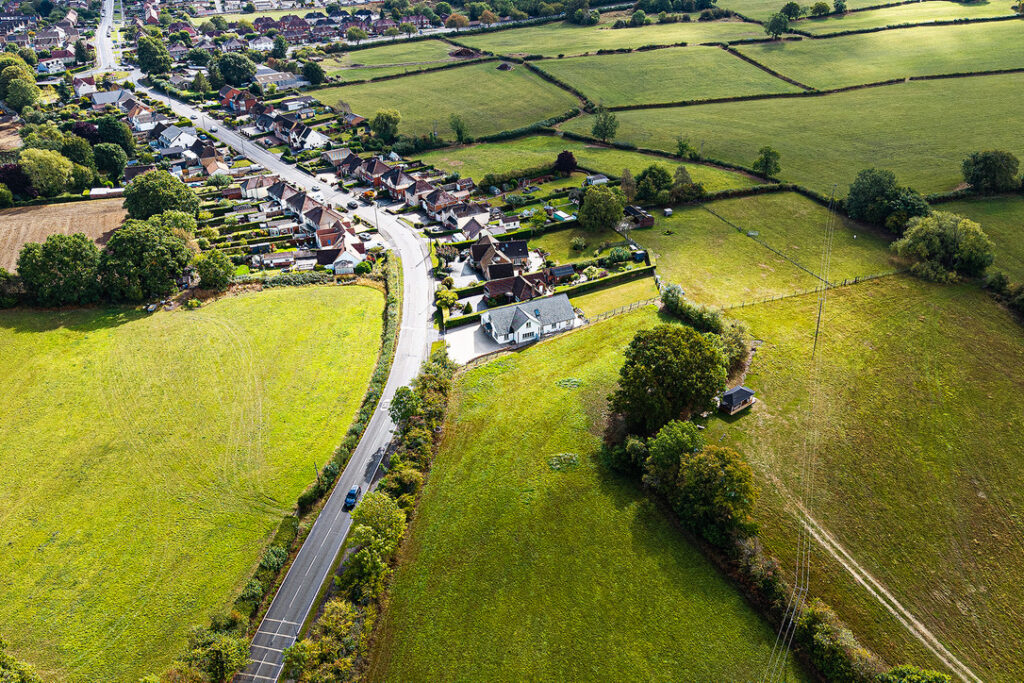
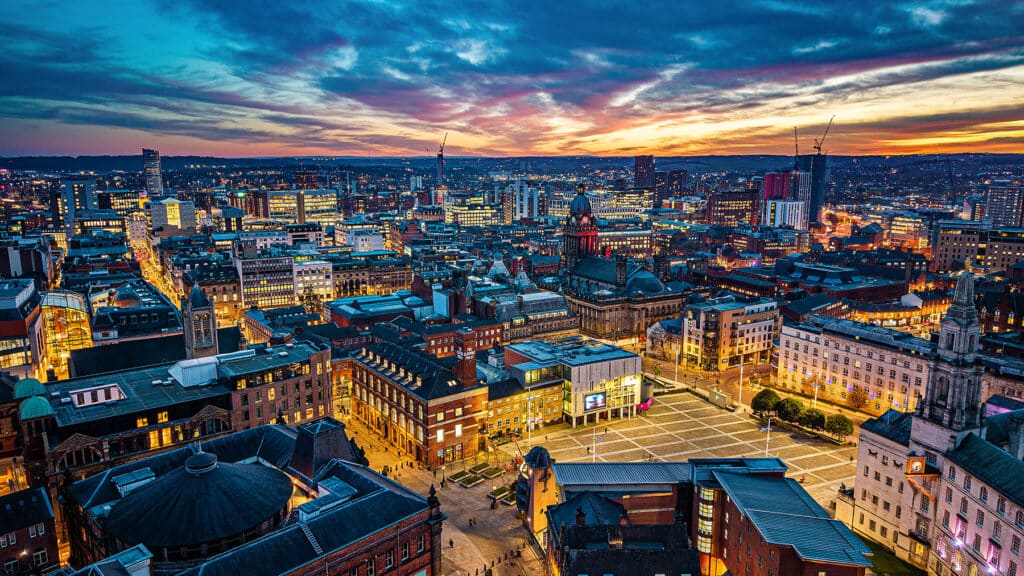
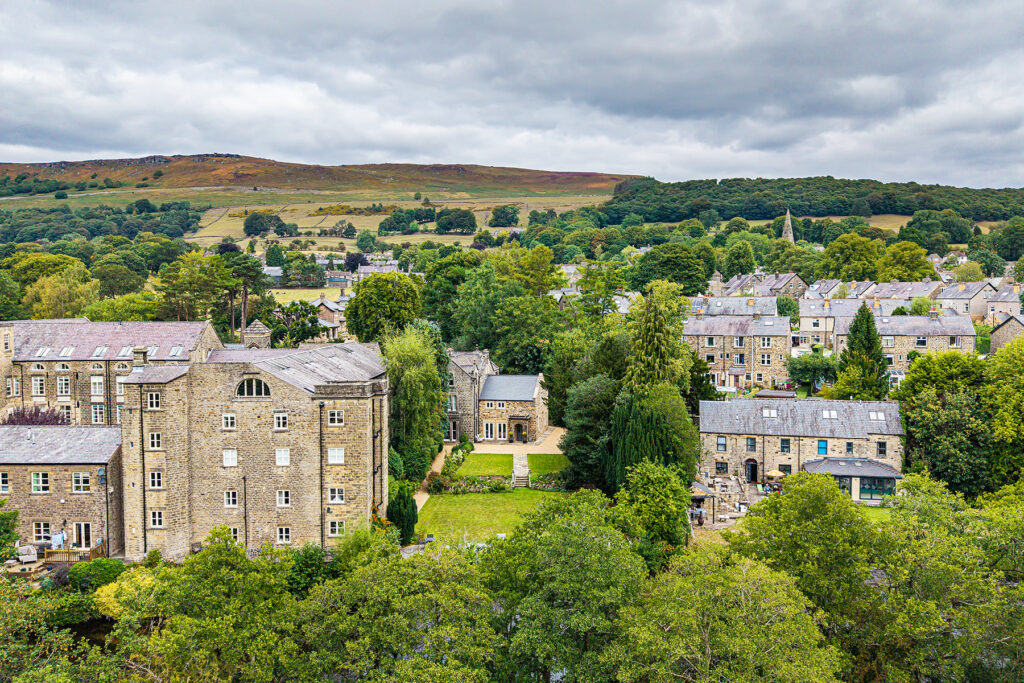
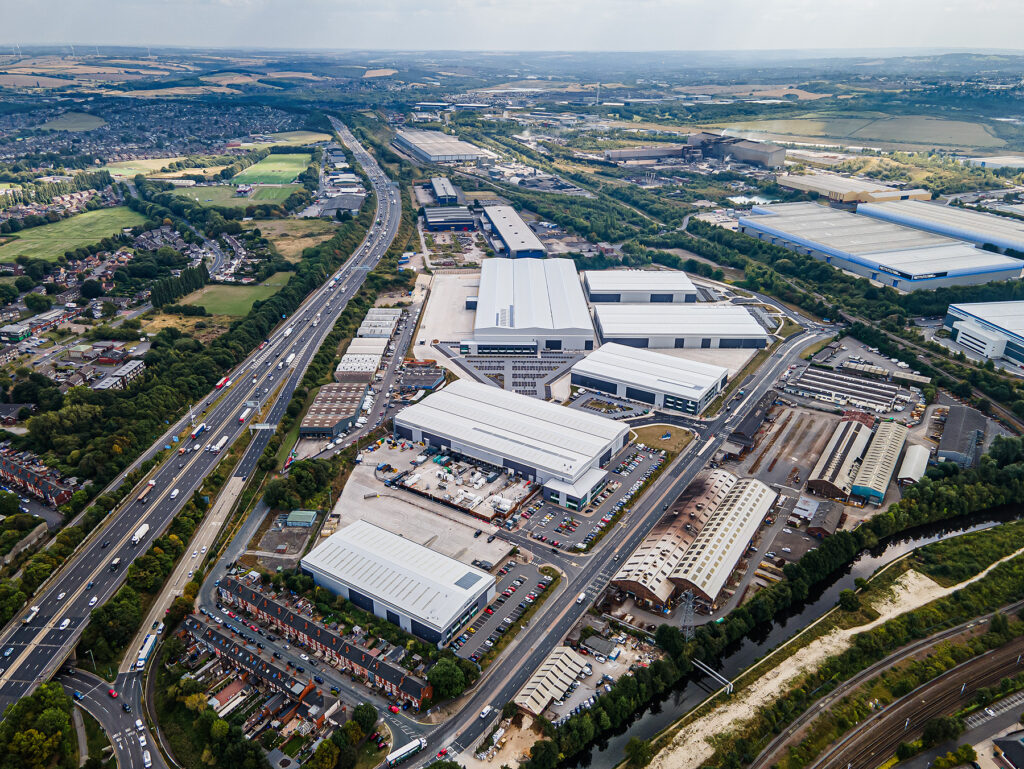
I use drones extensively alongside my architectural photography. On a large logistics development, that might mean flying far enough away to show how seven warehouse units fit together. On a Peak District house it could be about showing the relationship between the building, a valley and the landscape beyond. In a city centre, getting ten or twenty metres higher can suddenly reveal a composition that is completely hidden at street level.
I photograph both directly downwards and from more conventional elevated viewpoints, and I often use relatively low-altitude drone images. Some of the strongest aerial photographs don’t look obviously like drone photographs at all; the camera is simply in the right place.
Timing is just as important in the air as it is on the ground. Low sunlight can transform the shape of a building and its surroundings, while dusk lets illuminated interiors stand out against the exterior architecture. When a project deserves it, I’ll plan the aerial work around those conditions rather than treating it as something to quickly bolt onto the end of a shoot.
For many commissions I shoot the ground and aerial photography together, which gives the client one consistent collection rather than two completely different visual styles.
Drone imagery is particularly useful for:
- architectural and residential developments
- logistics and industrial sites
- large commercial schemes
- roof and cladding projects
- landscape-led architecture
- construction and regeneration projects
- showing buildings within their wider urban context
I undertake aerial photography professionally and am fully insured for commercial drone operations. I hold both a CAA-recognised General Visual Line of Sight Certificate (GVC) for multirotor aircraft and an A2 Certificate of Competency (A2 CofC).
These qualifications allow me to operate across a much wider range of environments than a basic recreational drone pilot, including built-up locations and more complex sites where working safely around buildings and people is essential. Where a flight falls within the Specific Category, operations are carried out in accordance with the appropriate CAA Operational Authorisation and its conditions.
For architects, developers and commercial clients, this matters. Every flight is planned around the site, airspace, surrounding buildings and people rather than simply turning up and launching a drone. My commercial drone work is also covered by the appropriate third-party aviation insurance.
I display my current CAA-recognised certification here so clients can see that the aerial side of a commission is being handled professionally and within the UK regulations.
If I’m already photographing your project from the ground, it is always worth discussing whether the view from above adds something useful. Quite often it does.